
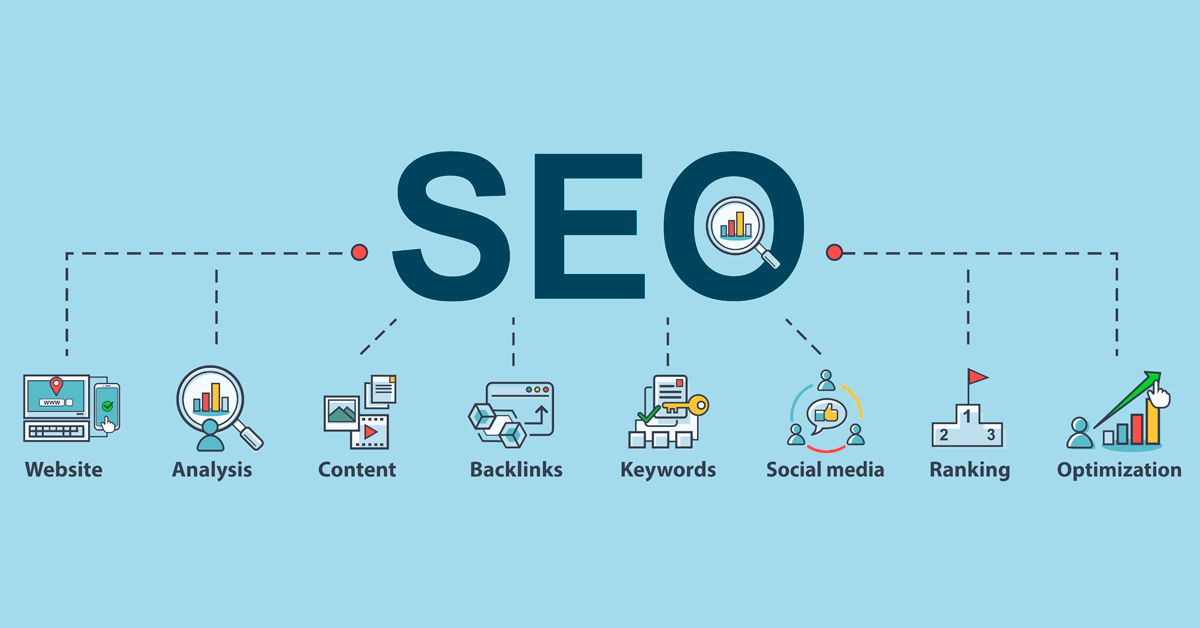
If you’re new to the world of digital marketing or looking to grow your online presence, you’ve probably heard the term SEO tossed around a lot. But what exactly is SEO? And how do the different types—On-Page SEO, Off-Page SEO, and Technical SEO—work together to improve your website’s ranking on Google and other search engines?
Let’s break it down.
What is SEO?
SEO stands for Search Engine Optimization. It’s the process of optimizing your website so that it ranks higher on search engine results pages (SERPs) like Google, Bing, and Yahoo. The higher you rank, the more organic (unpaid) traffic your site gets, leading to more visitors, leads, and potential customers.
Search engines use complex algorithms to decide which pages show up first based on relevance and quality. SEO is about making your website friendly and valuable to both users and search engines.
Types of SEO
SEO is generally divided into three main categories:
1. On-Page SEO
This refers to all the things you do on your website to help it rank better. It focuses on optimizing the content and HTML source code.
How to do On-Page SEO:
- Keyword Research: Identify relevant keywords that your target audience is searching for using tools like Google Keyword Planner or Ahrefs.
- Optimize Title Tags: Include your main keyword in the page title (ideally near the beginning).
- Meta Descriptions: Write clear, compelling descriptions for each page that include your keywords and encourage clicks.
- Header Tags (H1, H2, H3): Use headers to structure your content and include keywords naturally.
- Quality Content: Create valuable, informative, and engaging content that answers your visitors’ questions.
- Image Optimization: Use descriptive file names and alt tags for images to improve SEO and accessibility.
- Internal Linking: Link to other relevant pages within your website to keep visitors engaged and help search engines crawl your site.
- URL Structure: Use clean, readable URLs with keywords (e.g., yoursite.com/seo-tips).
2. Off-Page SEO
Off-Page SEO involves activities outside your website that impact your rankings. The primary focus is on building your site’s reputation and authority.
How to do Off-Page SEO:
- Backlink Building: Get high-quality backlinks from reputable websites related to your niche. This signals to search engines that your content is trustworthy.
- Social Media Engagement: Share your content on social media platforms to increase visibility and drive traffic.
- Guest Blogging: Write articles for other blogs or websites to reach new audiences and earn backlinks.
- Online Reviews & Mentions: Encourage satisfied customers to leave reviews and mentions, especially on Google My Business and industry-specific directories.
- Influencer Outreach: Collaborate with influencers or bloggers in your field to promote your content.
3. Technical SEO
Technical SEO ensures that your website meets the technical requirements of search engines to improve crawling, indexing, and user experience.
How to do Technical SEO:
- Website Speed Optimization: Use tools like Google PageSpeed Insights to make your site load faster by compressing images, minifying CSS/JS, and leveraging caching.
- Mobile-Friendliness: Ensure your site is responsive and looks good on all devices.
- Secure Website (HTTPS): Use SSL certificates to secure your website, which is a ranking factor.
- XML Sitemap: Create and submit an XML sitemap to search engines to help them discover your pages easily.
- Robots.txt File: Manage which parts of your site search engines can crawl.
- Fix Broken Links & Errors: Regularly check for 404 errors and fix them.
- Structured Data Markup: Use schema markup to help search engines understand your content better (e.g., reviews, events, recipes).
- Canonical URLs: Prevent duplicate content issues by specifying the preferred URL for your pages.
Conclusion
SEO is a powerful tool that, when done correctly, can dramatically increase your website’s visibility and traffic. By mastering On-Page SEO, Off-Page SEO, and Technical SEO, you build a strong foundation that search engines love and users appreciate.
If you’re starting out, focus on creating quality content and optimizing your pages (On-Page SEO). Then, build your reputation with backlinks and social engagement (Off-Page SEO), and finally, ensure your website is technically sound.
Ready to boost your SEO? Start implementing these strategies today and watch your website climb the search rankings!